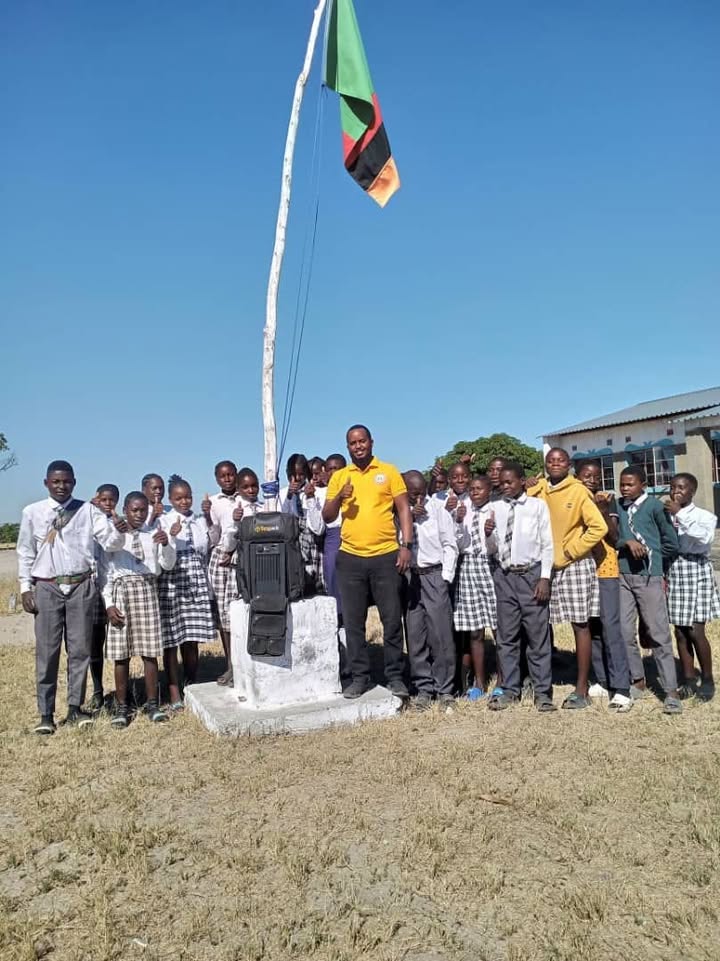

In Western Province, at Sitangamanyanga Primary School, we put our ideas about offline-first digital learning to the test. What follows is an honest account of a pilot: what we deployed, what we observed, and what we learned.
What was deployed
Sitangamanyanga hosted a pilot of our Smart Solar Media Units, the offline-first digital learning hardware built for schools with unreliable electricity and internet. The units run on solar power and carry preloaded educational content, so the school needed neither grid electricity nor a network connection to use them. That was the point. The school was met as it was, not as an infrastructure map wished it were.
What we observed
These are reported observations from the pilot, not independently verified impact numbers, and we are precise about that on purpose.
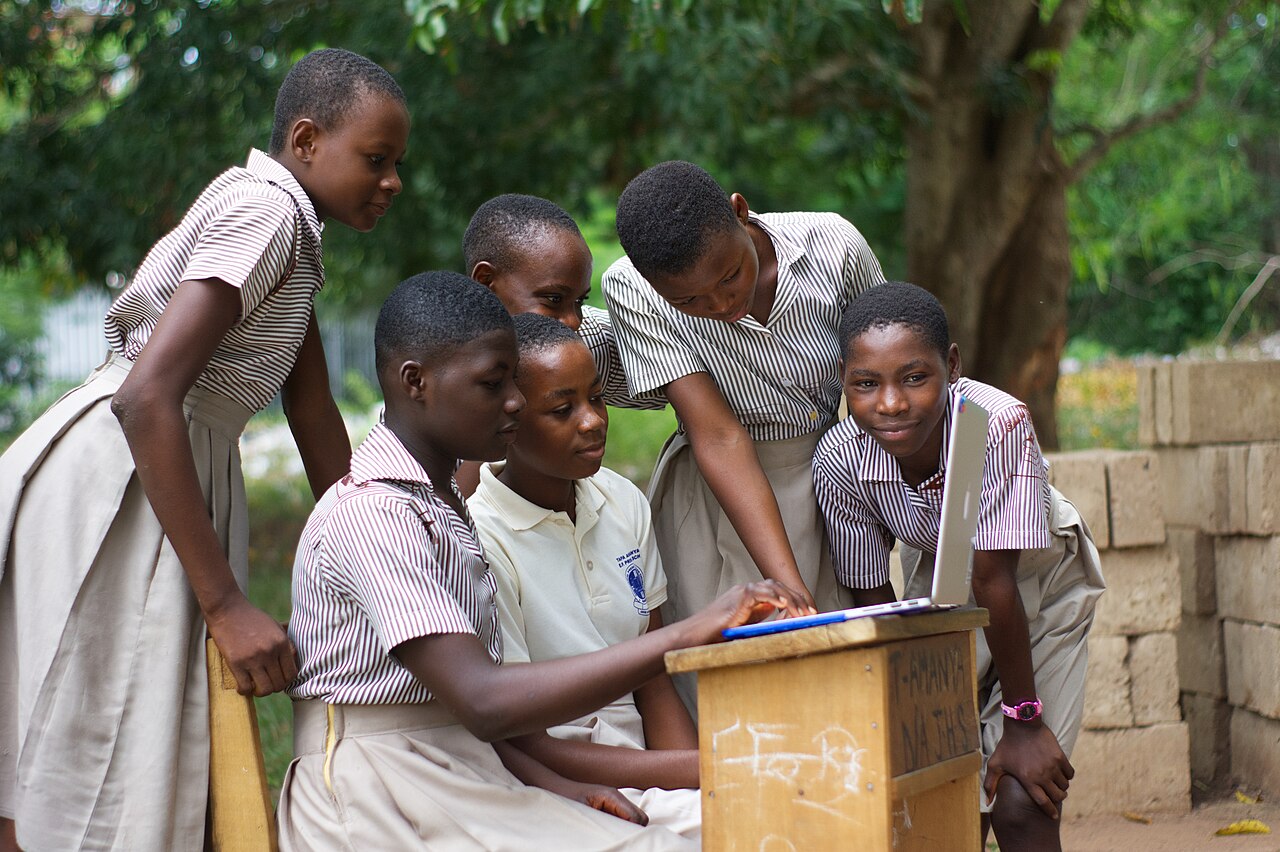
- Learner engagement with the digital content improved as the pilot progressed.
- Teacher confidence with the technology grew as staff worked the units into their daily routines.
Both observations matter. A digital learning deployment that leaves teachers uneasy is a deployment waiting to be switched off. Watching confidence rise, as the school reported through the pilot period, told us the design was moving in the right direction.
What we learned as engineers
Pilots teach the builder more than anyone else. Ours taught lessons no product specification captures.
Power is never a solved problem, only a managed one. Solar works, but sizing, battery behaviour and maintenance have to respect local reality, not a datasheet. Content has to be chosen and structured before the unit leaves Lusaka, because a school with no connectivity cannot download a replacement lesson. And training is hardware too: without a confident teacher beside it, a media unit is furniture.
We also learned to fit the school’s rhythm rather than fight it. Term dates, examination periods and the daily timetable shape when and how the units get used. Design that ignores those rhythms designs for a school that does not exist.
A pilot, called honestly
This was a pilot at one primary school, and we call it exactly that. It proved direction, not impact at scale. Every future deployment of Smart Solar Media Units carries something we learned at Sitangamanyanga, and that is what pilots are for.
We think education technology in Zambia should be built alongside the schools that use it, in the conditions they actually face. Sitangamanyanga helped us do exactly that.
To talk about Smart Solar Media Units for your school, email info@memedtech.icu.